
How to Get Into Ivy League and Top 30 Global Universities in 2025: A Step-by-Step Guide
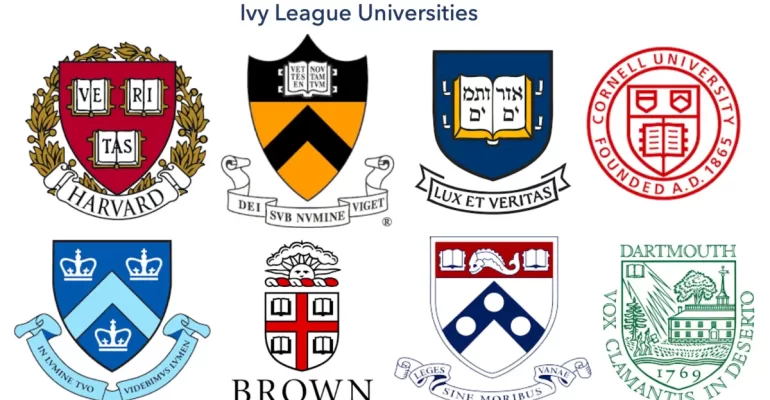
How to Get Into Ivy League and Top 30 Global Universities in 2025: A Step-by-Step Guide
 admin
admin Gaining access to an Ivy League or a top 30 college on a world scale in 2025 is a very competitive activity that requires superior academic achievements, careful planning, and a strong personal story.
Most schools usually have an acceptance rate of less than 5 percent and the applicants need to shine in various categories. This guideline will provide the vital steps to follow to be ready with a plausible application with the most up-to-date information.
Comprehensive Steps to get into Ivy League College
Step 1: Begin early by conducting research and establishing goals.
The first step would be to determine the possible universities that fit your academic goals, career prospects and personal morals. Each school has a different culture and strength, Ivy League schools such as Harvard, Yale, and Princeton; global leaders such as Oxford, MIT and the University of Tokyo.
Divergent cultures and strengths are exhibited in each of these schools.
Step 2: Create a Powerful Academic Profile
Most colleges have the expectation of almost perfect grades. In the case of Ivy League schools, a GPA of 93-100 percent is essential. This will consist of high grades in national board exams and competitive standardized tests among international applicants.
- SAT/ACT: Though test-optional schools exist, high scores (SAT 1500+ and ACT 34 +) better augments your candidacy
- TOEFL/IELTS: Non native English speakers must have TOEFL 100+ or IELTS 7.5+
- Upper level classes: AP, IB or A-levels, are very desirable.
Step 3: Take Part in Valuable After-School Activities
- High universities require balanced people with leadership, proactiveness and influence. Adopt a favourable scope of depth rather than breadth.
- Directing a student based organization or project within the community
- Compete and win national or international matches
- Engage in research, internship or creativity
- Be a regular volunteer of causes you are passionate about
Step 4: Ensure Strong Recommendation Letters
Identify your recommenders who are familiar with you and they can vouch about your academic skills, character, and potential. Give them a resume of yourself and the outline of what you want so that they can write personal letters.
Teachers and school counselors are ideal in case of undergraduate applicants. In graduate studies, research supervisors or the professors are favoured.
Step 5: Get Your Application Ready
The deadlines and application portal differ in each university. Typical forums are:
- You can check out the General App (in the vast majority of American universities):
- You can check out the best UK universities UCAS
Step 6: Submit Scholarship and Financial Aid Applications
- The U.S. schools might need either CSS Profile or FAFSA. The international students are advised to seek external scholarship opportunities, also.
- Harvard, Yale, and Princeton provide a lot of aid to international students
- Oxford and Cambridge provide college specific scholarships
- NUS and ETH Zurich provide merit awards
Step 7: Get Ready for Follow-Up and Interviews
In certain universities the process of interviewing is used not only as a test in fitness but also in communication skills. Prepare to talk about your interests, goals and the reasons for applying.
Check your application status regularly and answer any request in a timely manner.
Conclusion
Getting into Ivy League and other top universities across the world in 2025 are becoming more holistic and competitive.
It is not only academic blessings but also the necessity of genuineness, the forethought and the understanding of the purpose that makes success.
Connect with the counsellor expert and make your dream a reality.
FAQ
1. What GPA is needed to get into Ivy League or top global universities in 2025?
To stand a strong chance in Ivy League or top-tier global schools, a near-perfect GPA is essential. For U.S. schools, this usually means a GPA between 3.9 and 4.0, or 93–100% in percentage systems. For A-Level, IB or national boards, top grades are expected, often with high predicted scores in advanced courses like HL subjects or AP exams.
2. Is the SAT/ACT still required for Ivy League schools in 2025?
In 2025, many Ivy League schools remain test-optional, but submitting high SAT (1500+) or ACT (34+) scores can significantly strengthen your application—especially for international applicants who want to stand out in a global pool.
Some top global universities like MIT and Cambridge have reinstated test requirements, so it’s critical to check the latest policy for each institution.
3. How important are extracurricular activities for top universities?
Top universities seek well-rounded students with deep engagement outside the classroom. It’s not about doing everything—what matters is showing initiative, leadership, and impact.
Winning Olympiads, conducting independent research, leading nonprofits, or founding a startup demonstrate standout potential. Breadth helps, but depth in a focused area makes your profile memorable.
4. How can international students apply for financial aid at Ivy League universities?
Many Ivy League schools offer need-based financial aid to international students, often through the CSS Profile. Schools like Harvard, Princeton, and Yale meet 100% of demonstrated need, even for non-U.S. citizens.
It’s important to prepare tax documents, income statements, and apply before or with your application deadline. External scholarships and national schemes also offer additional funding support.
5. Do Ivy League and top universities interview all applicants?
Not always. Interviews are not guaranteed, especially for international students, but if offered, they are a key part of holistic evaluation. These interviews are usually conducted by alumni and focus on your motivation, interests, and personality fit. While not make-or-break, a strong interview can tip the balance in your favor when applications are otherwise closely matched.